
Toys & art supplies
Every product in this category we have reviewed, and where each one stands with us. We don’t sell anything: add the ones you want to a list, then send them all to your Amazon cart or buy each one where it’s sold. In a hurry? The cheat sheet below is the short list.
- Reviewed
- 18
- On a cheat sheet
- 12
- Brands
- 15
Toys and art supplies, on one page
A winner for each way people buy it, then what to skip. Reach for products that publish a materials list, favor solid or fully open shapes for anything that lives in the bath, and read "non-toxic" and "conforms to ASTM D-4236" as the brand's labeling statements rather than proof.
6 winners1 thing to skip12 of these products are on it
- Play dough that states what it is made of
 Marie's kids Modeling Clay for KidsSoft wheat-flour dough in 12 colors. The maker's page says natural wheat flour with no other additives; it does not list water, salt or colorants.
- Crayons for toddlers
 Honeysticks 100% Pure Beeswax CrayonsPure beeswax and food-grade pigments with no paraffin wax, per the brand's own page.
- Washable paint with a printed ingredient list
 Petite Natural Earth Paint KitCorn starch, gum arabic, and earth and mineral pigments, per the maker's page. ACMI's certified-product search lists this kit with the AP seal (checked October 23, 2026). The heavy-metal line on the page is the maker's statement, with no report; its FAQ says ages 3+.
- Open cups, if you want a no-cavity bath toy
 mushie Stacking Cups ToyNot sold as a bath toy, but eight open polypropylene cups have no sealed cavity for water to sit in. mushie states them free of BPA, BPS, PVC and phthalates; wash and air-dry, per the maker.
- A bath boat that names its materials
 Green Toys TugboatThe maker's page describes a wide spout for scooping and pouring and says dishwasher safe, with recycled plastic and no BPA, phthalates or PVC. Turn it upside down to drain.
- Wooden baby toy that names its materials
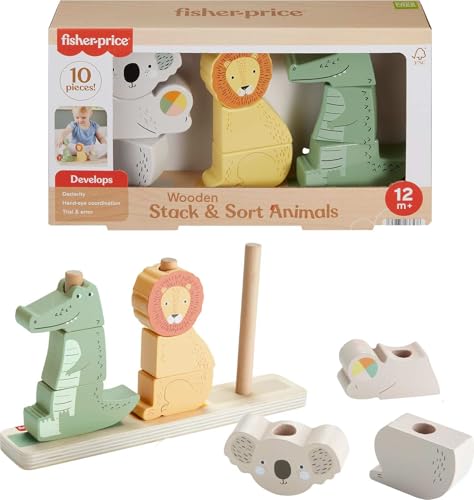 Fisher-Price Wood Stack & Sort Animals ToyTen wood pieces; Mattel's page says FSC-certified wood and water-based paint, and names no plastic part. Ages 12 months and up.
SkipPlay dough that won't publish its recipe
What to know about toys & art supplies
The full guide →Toys are their own problem for two reasons: contact is sustained and oral, and disclosure is the worst of any category we cover — food has an ingredient panel by law, toys mostly do not. For soft parts the materials question answers most of it. Silicone and TPR are soft by nature; PVC is rigid on its own and has to be plasticized to become squeezable.
Common risks
- PVC — hollow squeaky bath toys and harder-feeling plastic dolls are the classic uses
- Proprietary formulas where nobody outside the company knows the contents
- Assuming a toy carries the disclosure a food product would
What to look for
- Silicone or TPR on anything soft, rubbery or mouthed
- A brand willing to publish what its product is made of
- A stated material on teethers, bath toys and non-skid bases
The free change
If the packaging is silent on a soft part, ask the maker. They usually answer.
The tell is physical. PVC is firmer and less springy than TPR or silicone. If a soft part matters to you and the packaging is silent, ask the manufacturer — in our experience they answer.
Brands in this category
15 brands. The ones with a product on a cheat sheet come first.Every brand, A–Z →- ChildGenOn a cheat sheet
- Green ToysOn a cheat sheet
- PlanToysOn a cheat sheet
- Crayon RocksOn a cheat sheet
- Fisher-PriceOn a cheat sheet
- HoneysticksOn a cheat sheet
- Marie's kidsOn a cheat sheet
- mushieOn a cheat sheet
- NATURAL EARTH PAINT ECO-FRIENDLY PAINT KITSOn a cheat sheet
- Colorations1 product
- Crayola1 product
- Hygloss1 product
18 reviewed safer toys & art supplies
Cheat sheet winners first- Marie's kids · Modeling Clay for Kids★ Play dough that states what it is made ofSoft wheat-flour dough in 12 colors. The maker's page says natural wheat flour with no other additives; it does not list water, salt or colorants.Why it won, on the cheat sheet →Amazon
- Honeysticks 100% Pure Beeswax Crayons★ Crayons for toddlersPure beeswax and food-grade pigments with no paraffin wax, per the brand's own page.Why it won, on the cheat sheet →Amazon
- NATURAL EARTH PAINT ECO-FRIENDLY PAINT KITS · Petite Natural Earth Paint Kit★ Washable paint with a printed ingredient listCorn starch, gum arabic, and earth and mineral pigments, per the maker's page. ACMI's certified-product search lists this kit with the AP seal (checked October 23, 2026). The heavy-metal line on the page is the maker's statement, with no report; its FAQ says ages 3+.Why it won, on the cheat sheet →Amazon
- mushie Stacking Cups Toy★ Open cups, if you want a no-cavity bath toyNot sold as a bath toy, but eight open polypropylene cups have no sealed cavity for water to sit in. mushie states them free of BPA, BPS, PVC and phthalates; wash and air-dry, per the maker.Why it won, on the cheat sheet →Amazon
- Green Toys Tugboat, Assorted CB★ A bath boat that names its materialsThe maker's page describes a wide spout for scooping and pouring and says dishwasher safe, with recycled plastic and no BPA, phthalates or PVC. Turn it upside down to drain.Why it won, on the cheat sheet →Amazon
- Fisher-Price Wood Stack & Sort Animals Toy★ Wooden baby toy that names its materialsTen wood pieces; Mattel's page says FSC-certified wood and water-based paint, and names no plastic part. Ages 12 months and up.Why it won, on the cheat sheet →Amazon
 ChildGen Mini Cup Play Dough SetOn a cheat sheetSafeMama non-toxic play dough showdownAmazon
 ChildGen Natural Play Dough SetOn a cheat sheetSafeMama non-toxic play dough showdownAmazon
- Cheat sheetSafeMama non-toxic play dough showdownClosest to classic texture: Marie's kids Modeling Clay for KidsOpen the sheet →
 Crayon Rocks, Crayons in a Rock ShapeOn a cheat sheetToys and art suppliesAmazon
 Green Toys Stacking CupsOn a cheat sheetToys and art suppliesAmazon
 PlanToys® Sensory Activity Blocks for Toddlers 9-Piece Set Ages 12 Months+On a cheat sheetToys and art suppliesAmazon
 PlanToys® Wooden Sailing Boat with SealOn a cheat sheetToys and art suppliesAmazon
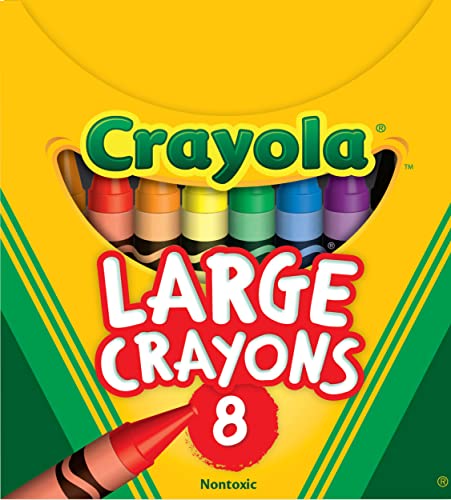 Crayola Large Crayons, AssortedA pick in our guideNon-Toxic CrayonsAmazon
 Pearhead Wooden Egg Shaker Baby Toy SetA pick in our guideSafeMama's Safer Toy GuideAmazon
 Stockmar Beeswax Block CrayonsA pick in our guideNon-Toxic CrayonsAmazon
 WoodenEdu Baby Toys CarA pick in our guideSafeMama's Safer Toy GuideAmazon
 Colorations Wheat & Gluten-Free Classic DoughReviewedWe looked at it; it is not one of our current picks.Amazon
 Hygloss Play Modeling Dough for KidsReviewedWe looked at it; it is not one of our current picks.Amazon
Toys & art supplies: common questions
How can I tell PVC from silicone or TPR?
By feel — PVC is firmer and less springy. If a soft part matters and the packaging is silent, ask the manufacturer; they generally answer.
Why is disclosure worse for toys than for food?
Food carries an ingredient panel by law and toys mostly do not. Several well-known toy formulas are proprietary, meaning nobody outside the company knows the contents.
Is TPR safe?
It is soft by nature, so it never needed BPA, and it is generally a safer pick than PVC. Our TPR explainer covers why a voluntary "PVC-free" claim on it is reasonably trustworthy.