
Air quality
Every product in this category we have reviewed, and where each one stands with us. We don’t sell anything: add the ones you want to a list, then send them all to your Amazon cart or buy each one where it’s sold.
- Reviewed
- 18
- Brands
- 10
What to know about air quality
The full guide →Source, then ventilation, then filter — in that order. Most people run the list backwards, buy a purifier first, and are disappointed, because a machine cannot out-filter a source you are still feeding. And one item is not optional at any point in the order: a working carbon monoxide alarm on every level of the home and outside each sleeping area.
Common risks
- Anything that generates ozone to do its work — "ionizer", "activated oxygen"
- "HEPA-type" or "HEPA-like" wording with no efficiency figure behind it
- Fragranced products, aerosols and scented candles — sources you can remove at zero cost
- Buying a purifier before removing the source and opening a window
- Expecting a purifier to fix humidity, mold behind a wall, or a combustion problem
What to look for
- A working carbon monoxide alarm on every level of the home and outside each sleeping area (CPSC), plus smoke alarms
- A stated filter efficiency of 99.97% at 0.3 microns (the HEPA benchmark), if particulates are the problem — dust, pollen, dander, smoke
- The model number tied to a "Mechanical" listing on California's register of certified air cleaners (physical filtration only; "Electronic" covers ionizers and similar)
- A meaningful quantity of activated carbon, if gases are the problem
- The extractor over the hob, every time you cook
The free change
Run the kitchen fan while you cook.
A purifier is a last step, not a first one. It works far better once the source is gone and the room has been aired.
Brands in this category
10 brands. The ones with a product on a cheat sheet come first.Every brand, A–Z →
18 reviewed air purifiers, alarms, monitors & test kits
Cheat sheet winners first Airthings 2960 View PlusA pick in our guideIndoor VOC / PM2.5 Air Quality MonitorsAmazon
 Citrus Magic Natural Air Freshener SprayA pick in our guideNatural air freshenerAmazon
 COWAY Airmega Mighty2 Mini HEPA Air PurifierA pick in our guideThe best air purifier for a nursery or bedroomAmazon
 First Alert 10-Year Battery Combination Smoke & Carbon Monoxide AlarmA pick in our guideThe best carbon monoxide alarm for your homeAmazon
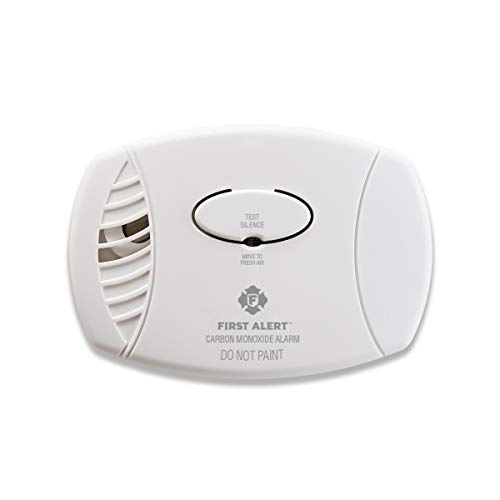 First Alert Battery Carbon Monoxide AlarmA pick in our guideThe best carbon monoxide alarm for your homeAmazon
- First Alert Plug in Carbon Monoxide AlarmA pick in our guideThe best carbon monoxide alarm for your homeAmazon
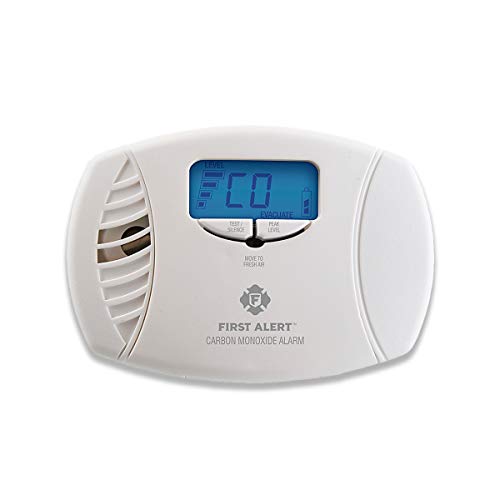 First Alert Plug in Carbon Monoxide Alarm with Digital DisplayA pick in our guideThe best carbon monoxide alarm for your homeAmazon
 Kidde KN-COB-B-LP Nighthawk Carbon Monoxide AlarmA pick in our guideThe best carbon monoxide alarm for your homeAmazon
 Levoit Air Purifier for Home Pets Bedroom Dorm RoomA pick in our guideThe best air purifier for a nursery or bedroomAmazon Levoit site
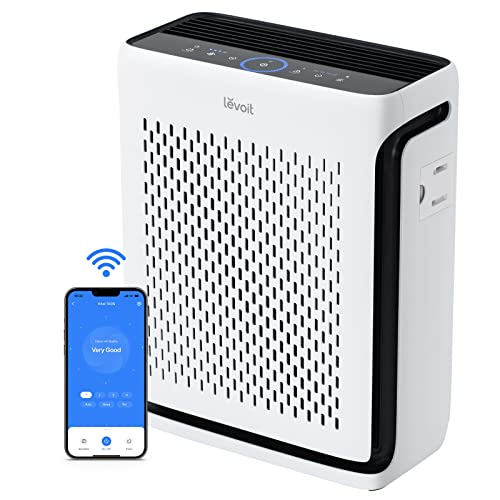 LEVOIT Air Purifier for Home Pets Bedroom Washable Pre-FilterA pick in our guideThe best air purifier for a nursery or bedroomAmazon Levoit site
 Levoit Air Purifier for Home Pets Hair Allergens in Bedroom Quiet PurifiersA pick in our guideThe best air purifier for a nursery or bedroomAmazon Levoit site
 Levoit Air Purifiers for Bedroom Home Pets Dorm RoomA pick in our guideThe best air purifier for a nursery or bedroomAmazon Levoit site
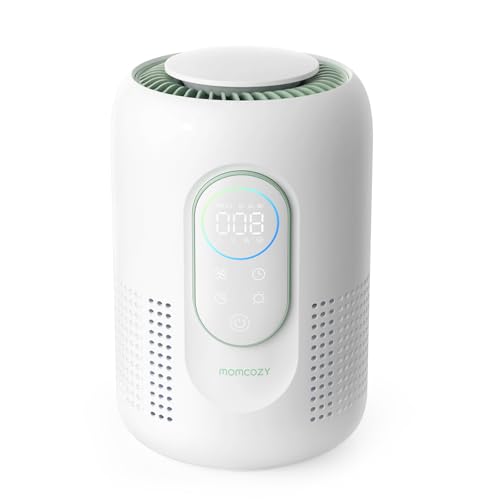 Momcozy Air Purifier for Bedroom with Dimmable Night Light for Small RoomA pick in our guideThe best air purifier for a nursery or bedroomAmazon
 Radonova Radtrak³ Radon Detector for HomeA pick in our guideRadon Test KitsAmazon
 AirChek 43237-2 3 to 7 Day Charcoal Radon Test KitReviewedWe looked at it; it is not one of our current picks.Amazon
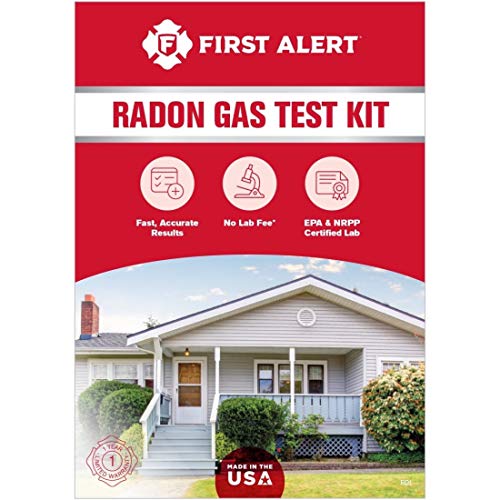 First Alert Radon Gas Test KitReviewedWe looked at it; it is not one of our current picks.Amazon
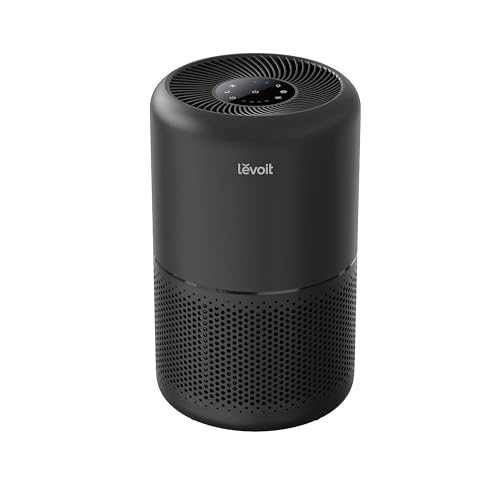 Levoit Air Purifier for Home Pets Hair Allergies in Bedroom Quiet PurifiersReviewedWe looked at it; it is not one of our current picks.Amazon Levoit site
 Sainlogic Air Quality Monitor IndoorReviewedWe looked at it; it is not one of our current picks.Amazon
Air quality: common questions
What is the first thing I should do about indoor air?
Remove the source, then ventilate, then filter. Nothing competes with simply not introducing the pollutant, and opening a window for a few minutes costs nothing.
Will a HEPA purifier help with smells and VOCs?
Much less than with particulates, unless it carries a meaningful quantity of activated carbon — most consumer units carry a thin layer that saturates quickly. Ventilation and source removal do more.
Are ionizers worth considering?
Avoid anything that generates ozone to do its work, however it is marketed. Ozone is a lung irritant. "Ionizer" and "activated oxygen" are the phrases to look at carefully.