Sourcing safer products for families since 2007
SafeMama
Check home
Category hub · 49 products reviewedUpdated November 22, 2026Agent researchedEditor reviewed

Toys

Play dough, play sand, teethers, the soft rubbery bits on everything. Toys are the category where children have the most direct, sustained, mouth-level contact with materials — and the one where labeling tells you the least.

Reviewed by SafeMama editorial · November 14, 2026

Start here

Toys by age

Pick the sheet for the youngest child in the house. Each one has picks read off the makers' own pages, the age grades, and what to check first.

  • Calmies Teether for Babies Without BPA, 100 Percent Natural Rubber Toy for Infants, Plant Based, No Parabens, No PVC, and…

    Babies

    0 to 12 months

    Teethers, rattles, stacking cups, soft toys.

    See picks
  • PlanToys® 40 Unit Blocks Wooden Montessori Building & Stacking Kids Play | shapes, sizes, construction toys, sorting & sta…

    Toddlers

    1 to 3 years

    Blocks, pull toys, play food, dolls.

    See picks
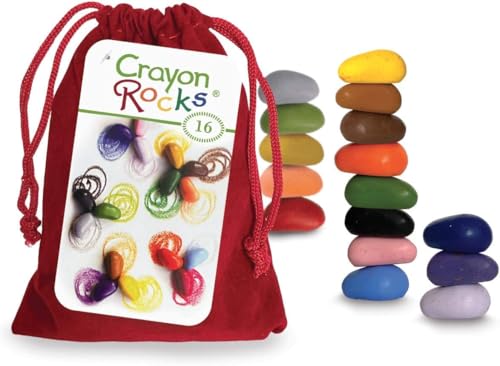
  • Crayon Rocks, Crayons in a Rock Shape, 16 Count, Tripod Grip Made For Handwriting Development in Kids and Toddlers, Fun &…

    Preschoolers

    3 to 5 years

    Art supplies, building sets, face paint.

    See picks
  • Modeling Clay for Kids - 12 Super Soft & 100% Natural Doughs Made from Wheat Flour - 100g Per Can of Reusable & Vibrant Cl…

    Art and craft

    Ages 3 and up

    Dough, crayons and paint, and the label rules.

    See picks

Or by kind of toy

Toys by type

  • Boon Fleet Toy Boat Baby Bath Toys - Stacking Boat Toy Set for Bath Time Fun - Toddler and Baby Stacking Bathtub Toys With…

    Bath toys

    Stack-and-drain shapes, and the mold question.

    See picks
  • HABA Colored Wooden Building Blocks - 46 Piece Set of Wooden Toys, Stacking Toys for Toddlers 1-3 for Open Ended STEM Play…

    Wooden toys

    Solid wood vs plywood, finishes, "Montessori".

    See picks
  • Organic Farm Buddies Apple Park George Giraffe Plush Baby Toy for Newborns, Infants, Toddlers - Hypoallergenic, 100% Organ…

    Stuffed animals

    Fill, flame retardants and fabric.

    See picks
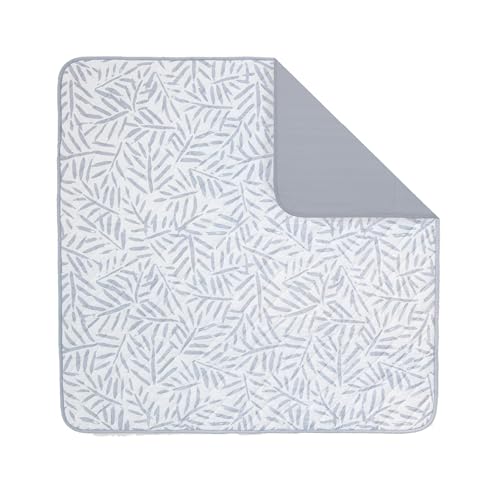
  • Toddlekind Wander Mat, Portable Organic Cotton Play Mat for Children 2+ | 47" X 47" Foldable Reversible Floor Mat, 100% Co…

    Play mats

    EVA, XPE, PVC, PU foam and cotton.

    See picks
  • ChildGen Natural Play Dough Set, Non-Toxic, Super Soft, Long Lasting Playdough, Modeling Dough, Kids Arts & Crafts, Presch…

    Play dough

    Brands compared, plus the homemade recipe.

    See picks
  • Honeysticks 100% Pure Beeswax Crayons (12 Pack) - for Baby 1+, Toddlers 1-3 | Non-Toxic Crayons for Toddlers 1-3, Safe for…

    Crayons

    What each maker says the wax is.

    See picks
Gift guide by ageBuying for a birthday or the holidays? Gifts for each age, plus stocking stuffers.

Our picks

Top picks across all toys

The winners from our cheat sheets, each chosen for one job.

Toys are their own problem for two reasons: contact is sustained and oral, and disclosure is the worst of any category we cover — food has an ingredient panel by law, toys mostly do not. For soft parts the materials question answers most of it. Silicone and TPR are soft by nature; PVC is rigid on its own and has to be plasticized to become squeezable.

49products reviewed

Why toys are their own problem

Two things make this category distinct.

Contact is sustained and oral. A teether is in a mouth for hours. Play dough is handled for an afternoon and, realistically, tasted at least once. That is a different exposure profile from a thing a child touches briefly.

Disclosure is worst here. Food has an ingredient panel by law. Toys mostly do not. The classic play dough recipe is proprietary — nobody outside the company knows what is in it — and that fact alone is why our play dough comparison exists: we only looked at brands willing to publish what they are made of.

The materials question, answered once

The soft rubbery parts on teethers, bath toys and non-skid bases are almost always one of three things, and the differences matter:

Silicone and TPR are soft by nature, so they never needed BPA — a hardening agent would defeat the point. Both are generally safer picks, and our TPR explainer covers why a voluntary "PVC-free" claim on one is reasonably trustworthy.

PVC is the one to avoid. It is rigid on its own, so making it squeezable requires plasticizers — historically phthalates. Hollow, squeaky bath toys and harder-feeling plastic dolls are the classic applications.

The tell is physical: PVC is firmer and less springy than TPR or silicone. If a soft part matters to you and the packaging is silent, ask the manufacturer. In our experience they answer.

Play sand deserves its own note

It is the one item here where the concern is a genuine mineral question rather than a plastics one, and where the answer depends on what the sand actually is — the full explainer is here.

The cheapest good answer

For dough, make it. A cup of flour, half a cup of salt, water, oil and cream of tartar costs pennies and beats most of what you can buy, and the measuring and mixing is half the activity. The recipe is on the showdown page, along with which plant colors survive being cooked — relevant, because that recipe goes on a stove.

Homemade dough lasts weeks rather than months. That is the trade for knowing exactly what is in it.

How we choose

We only consider products that publish what they are made of. Where we can, we test with an actual child over days rather than minutes, because durability and whether a thing gets played with at all are part of the assessment. Where a product we liked is discontinued, we say so instead of leaving a dead recommendation.

  • Publishes a full ingredient or material list
  • Free of PVC and phthalates
  • Color from plant or mineral sources where colored
  • Holds up to real, repeated play
  • Currently in production, with no active recall on the pick

Save & share

Non-toxic toys cheat sheet

Skip these

  • PVC — hollow squeaky bath toys and harder-feeling plastic dolls are the classic uses
  • Proprietary formulas where nobody outside the company knows the contents
  • Assuming a toy carries the disclosure a food product would

Look for these

  • Silicone or TPR on anything soft, rubbery or mouthed
  • A brand willing to publish what its product is made of
  • A stated material on teethers, bath toys and non-skid bases

The tell is physical. PVC is firmer and less springy than TPR or silicone. If a soft part matters to you and the packaging is silent, ask the manufacturer — in our experience they answer.

The science, briefly

Silicone, TPR and PVC — what the soft parts are made of

The soft rubbery parts on teethers, bath toys and non-skid bases are almost always one of three things. Silicone and TPR are soft by nature, so they never needed BPA — a hardening agent would defeat the point. Both are generally safer picks.

PVC is the one to avoid. It is rigid on its own, so making it squeezable requires plasticizers, historically phthalates. Hollow, squeaky bath toys and harder-feeling plastic dolls are the classic applications.

Contact here is sustained and oral — a teether is in a mouth for hours, play dough is handled for an afternoon and realistically tasted at least once. That is a different exposure profile from something a child touches briefly, and it is why disclosure matters more in this category than almost any other.

Common mistakes

What parents get wrong

01

"Toys have to disclose what they are made of"

Food has an ingredient panel by law. Toys mostly do not. The classic play dough recipe is proprietary — nobody outside the company knows what is in it — which is why our comparison only looked at brands willing to publish.

02

"Soft plastic is soft plastic"

Silicone and TPR are soft by nature. PVC is rigid until it is plasticized, historically with phthalates. The physical tell is springiness: PVC is firmer and less springy.

03

"If the packaging does not say, there is no way to know"

Ask the manufacturer. In our experience they answer, and a brand that will not is telling you something too.

What we'd buy

Featured products

Every product we've reviewed →

Go deeper

Best lists in this category

Toys FAQ

What the research says

  • The CPSC this year issued 498 notices of violations for toys through June, as of the latest data available (Sept. 23, 2025).

    — A U.S. PIRG Education Fund report authored by Teresa Murray found ...

    Trouble in Toyland 2025: A.I. bots and toxics present hidden dangers — U.S. PIRG Education Fund (2025-11-13)

  • When you buy a toy or any other product online and it's shipped directly to you from another country, it generally doesn't get inspected before it gets to your mailbox.

    — A U.S. PIRG Education Fund report authored by Teresa Murray found ...

    Trouble in Toyland 2024: Unsafe toys that slip through the border — U.S. PIRG Education Fund (2024-11-19)

  • Selecting products labeled 'fragrance-free' rather than 'unscented' may help reduce exposure to endocrine-disrupting chemicals because unscented products may contain multiple scents, still bound by phthalates, that are mixed to cancel each other out.

    — According to American College of Obstetricians and Gynecologists guidance co-authored by Tracey J. Woodruff, PhD, MPH, ...

    Reducing Prenatal Exposure to Toxic Environmental Agents (Committee Opinion No. 832) — American College of Obstetricians and Gynecologists

Sources

  1. Toy safety requirements for children's products (CPSIA) — U.S. Consumer Product Safety Commission (how we check this source)
  2. CPSC Prohibits Certain Phthalates in Children's Toys and Child Care Products — U.S. Consumer Product Safety Commission (how we check this source)