
BPA-free canned food
Every product in this category we have reviewed, and where each one stands with us. We don’t sell anything: add the ones you want to a list, then send them all to your Amazon cart or buy each one where it’s sold. In a hurry? The cheat sheet below is the short list.
- Reviewed
- 35
- On a cheat sheet
- 19
- Brands
- 19
BPA-free canned food, on one page
A winner for each way people buy it, then what to skip. BPA epoxy was the standard can lining from the 1960s to the mid-2010s, organic included, and most of the US industry has since moved off it — the Can Manufacturers Institute says 98 percent of production has switched.
7 winners1 thing to skip13 of these products are on it
- Best overall: beans
 Eden Organic Pinto BeansEden Organic beans — the BPA-free can change this list was built on, and it covers beans specifically.
- Best for weeknight black beans
 Eden Organic Black BeansEden Organic black beans — the same three-ingredient panel and lining position as the pinto, in the can most weeknight meals reach for.
- Canned tomatoes
 JovialJovial organic diced tomatoes in an 18.3 oz glass jar — the tomatoes touch glass, not a can lining. Jovial's page says "BPA-free lids" and does not name the lid material, so the lid is the one part of this package we cannot characterize. Our tomatoes page compares every brand.
- Canned soup
 Amy'sAmy's organic lentil vegetable soup, 12 cans of 14.5 oz — the brand's FAQ says the can body is lined with acrylic and the lid with polyester, with no BPA, BPS or BPF.
- Coconut milk (pantry staple)
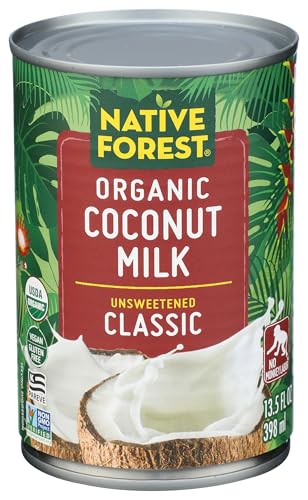 Native ForestNative Forest organic Classic coconut milk — here for what Edward & Sons says about its cans ("BPA Non-Intent", a term it defines itself, with third-party lining tests as of 2011). A February 2026 California Proposition 65 notice (AG 2026-00794) alleged lead, sold without a warning, in Native Forest Organic Unsweetened Coconut Milk; its example is the Simple can, not this one, but it calls the example representative of the whole class, so we cannot tell you this can is outside the notice. The notice is an allegation, not a contamination finding. The register shows a private settlement dated October 14, 2026, $20,000 in total, and Edward & Sons denies the allegations. If lead is your concern, our coconut milk page explains the settlement's 0.5 microgram-per-serving warning trigger and how to ask the maker for a certificate of analysis for your lot.
- Best lower-mercury tuna
 Safe Catch Canned Tuna FishSafe Catch Elite skipjack tuna — the brand says its tuna and salmon cans have "linings that are made without BPA and do not have the intentional addition of BPA", that it tests finished product through accredited third-party labs, and that it has "not found any detectable levels of BPA in any of our products" to date. Our salmon and tuna page picks this over Wild Planet.
- Canned sardines
 Wild Planet Wild Sardines in Extra Virgin Olive OilWild Planet wild sardines in extra virgin olive oil, 12 cans of 4.4 oz — Wild Planet says all current products "are packed in cans that do not have the intentional addition of BPA in the can lining formulation", a written position about no intentional addition, not an absolute "BPA-free". Its page lists "aqueous natural smoke" among the ingredients, which Wild Planet describes as "a lightly smoked flavor". California's Attorney General register lists 24 Proposition 65 notices naming Wild Planet or Sustainable Seas sardines, filed between May 2020 and October 2025; seven of them supplement or amend an earlier notice, so they cover 17 separate allegations. A notice alleges a missing warning label, not that the fish was unsafe.
SkipBPA epoxy can linings
What to know about bpa-free canned food
The full guide →Diet is the main route of BPA exposure and canned food is a large part of it — yet the removal that happened covered baby bottles, sippy cups and formula packaging, never general groceries. "BPA-free" is a narrower claim than "no concerns". Fewer cans remains the most robust answer, and it is neither difficult nor expensive.
Common risks
- Assuming the bottle-and-formula removal covered groceries — it did not
- Reading "BPA-free" as "no concerns"
- Canned pasta and soups especially — they have tested highest
What to look for
- Glass over cans, where the price difference is small
- Fresh or frozen — vegetables are often flash-frozen shortly after harvest
- Powdered formula, if you are formula feeding
- The brands on the cheat sheet, for the cans you keep
The free change
Choose fresh or frozen where you can — no can lining to ask about.
A list of cans that contain BPA would be close to everything on the shelf, organic included, because BPA epoxy was the standard lining. So our cheat sheet lists the brands that moved instead — shorter, and considerably more useful.
Brands in this category
19 brands. The ones with a product on a cheat sheet come first.Every brand, A–Z →35 reviewed BPA-free canned foods
Cheat sheet winners first- Eden Organic Pinto Beans★ Best overall: beansEden Organic beans — the BPA-free can change this list was built on, and it covers beans specifically.Why it won, on the cheat sheet →Amazon
- Eden Organic Black Beans★ Best for weeknight black beansEden Organic black beans — the same three-ingredient panel and lining position as the pinto, in the can most weeknight meals reach for.Why it won, on the cheat sheet →Amazon
- Jovial, Tomatoes Diced Organic★ Canned tomatoesJovial organic diced tomatoes in an 18.3 oz glass jar — the tomatoes touch glass, not a can lining. Jovial's page says "BPA-free lids" and does not name the lid material, so the lid is the one part of this package we cannot characterize. Our tomatoes page compares every brand.Why it won, on the cheat sheet →Amazon
- Amy's, Vegan Lentil Vegetable Soup★ Canned soupAmy's organic lentil vegetable soup, 12 cans of 14.5 oz — the brand's FAQ says the can body is lined with acrylic and the lid with polyester, with no BPA, BPS or BPF.Why it won, on the cheat sheet →Amazon
- Native Forest, Coconut Milk Classic Organic★ Coconut milk (pantry staple)Native Forest organic Classic coconut milk — here for what Edward & Sons says about its cans ("BPA Non-Intent", a term it defines itself, with third-party lining tests as of 2011). A February 2026 California Proposition 65 notice (AG 2026-00794) alleged lead, sold without a warning, in Native Forest Organic Unsweetened Coconut Milk; its example is the Simple can, not this one, but it calls the example representative of the whole class, so we cannot tell you this can is outside the notice. The notice is an allegation, not a contamination finding. The register shows a private settlement dated October 14, 2026, $20,000 in total, and Edward & Sons denies the allegations. If lead is your concern, our coconut milk page explains the settlement's 0.5 microgram-per-serving warning trigger and how to ask the maker for a certificate of analysis for your lot.Why it won, on the cheat sheet →Amazon
- Safe Catch Canned Tuna Fish★ Best lower-mercury tunaSafe Catch Elite skipjack tuna — the brand says its tuna and salmon cans have "linings that are made without BPA and do not have the intentional addition of BPA", that it tests finished product through accredited third-party labs, and that it has "not found any detectable levels of BPA in any of our products" to date. Our salmon and tuna page picks this over Wild Planet.Why it won, on the cheat sheet →Amazon
- Wild Planet Wild Sardines in Extra Virgin Olive Oil★ Canned sardinesWild Planet wild sardines in extra virgin olive oil, 12 cans of 4.4 oz — Wild Planet says all current products "are packed in cans that do not have the intentional addition of BPA in the can lining formulation", a written position about no intentional addition, not an absolute "BPA-free". Its page lists "aqueous natural smoke" among the ingredients, which Wild Planet describes as "a lightly smoked flavor". California's Attorney General register lists 24 Proposition 65 notices naming Wild Planet or Sustainable Seas sardines, filed between May 2020 and October 2025; seven of them supplement or amend an earlier notice, so they cover 17 separate allegations. A notice alleges a missing warning label, not that the fish was unsafe.Why it won, on the cheat sheet →Amazon Wild Planet site
 Béaba Glass Baby Food JarsOn a cheat sheetBPA-Free Baby Food Storage ContainersAmazon
- Cheat sheetBPA-Free Baby Food Storage ContainersBest overall: WeeSprout Glass Baby Food Storage Jars with Silicone Li…Open the sheet →
 Hunt's · Hunt’s Diced Tomatoes, Perfect for Chili & SoupsOn a cheat sheetBPA-free canned food
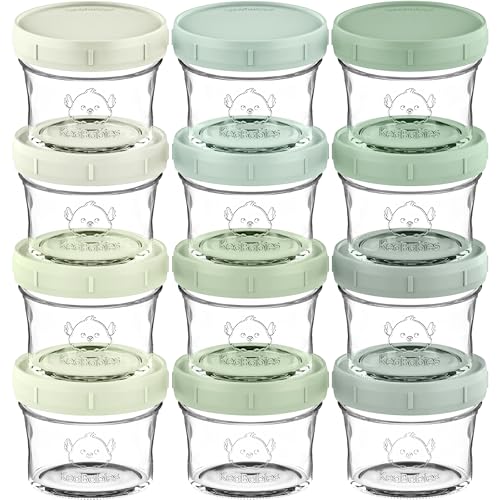 KeaBabies 12pk 4oz Glass Baby Food Containers with LidsOn a cheat sheetBPA-Free Baby Food Storage ContainersAmazon
 KeaBabies Silicone Food Freezer Trays with LidOn a cheat sheetBPA-Free Baby Food Storage ContainersAmazon
 Pomì · Pomi Chopped Tomatoes 13.8 ozOn a cheat sheetBPA-free canned foodAmazon
 RowinsyDD 5 Pack Baby Food ContainersOn a cheat sheetBPA-Free Baby Food Storage ContainersAmazon
 Safe Catch Wild Pacific Pink Canned Salmon FishOn a cheat sheetBPA-free canned foodAmazon
 Season Sardines in Olive Oil Wild CaughtOn a cheat sheetBPA-free canned foodAmazon
 WeeSprout Glass Baby Food Storage Jars with Silicone LidsOn a cheat sheetBPA-Free Baby Food Storage ContainersAmazon
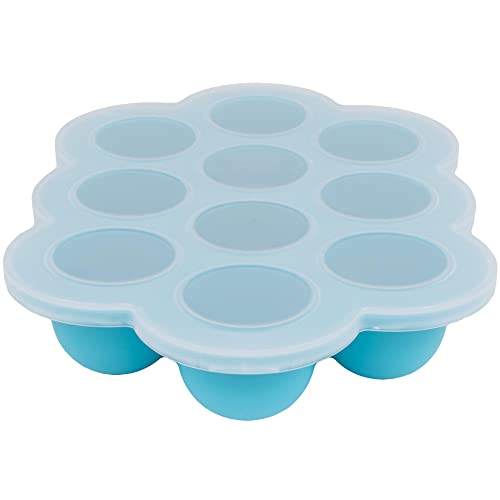 WeeSprout Silicone Freezer Tray with Clip on Lid Perfect Food Storage Container…On a cheat sheetBPA-Free Baby Food Storage ContainersAmazon
 Wild Planet Premium Skipjack Wild TunaOn a cheat sheetBPA-free canned foodAmazon Wild Planet site
 Wild Planet Wild Sardines in Extra Virgin Olive Oil with Sea SaltOn a cheat sheetBPA-free canned foodAmazon Wild Planet site
 365 by Whole Foods MarketA pick in our guideBPA-Free Canned BeansAmazon
 Amy's Refried Black BeansA pick in our guideBPA-Free Canned BeansAmazon
 Jovial Organic Chickpea BeansA pick in our guideBPA-Free Canned BeansAmazon
 Native Forest Organic Coconut Milk UnsweetenedA pick in our guideBPA and canned foodAmazon
 Native Forest Organic Unsweetened Coconut Milk- SimpleA pick in our guideBPA-Free Canned Coconut Milk? What Each Brand Says About Its CanAmazon
 Natural Value Coconut MilkA pick in our guideBPA-Free Canned Coconut Milk? What Each Brand Says About Its CanAmazon
 Wild Planet Skinless and Boneless Sockeye SalmonA pick in our guideBPA-Free Canned Salmon and TunaAmazon Wild Planet site
 Amy's · Amy’s Soup, Vegan Lentil Vegetable SoupReviewedWe looked at it; it is not one of our current picks.Amazon
 CREATION AND MAINTENANCE OF PURITY IN FOOD · Eden Organic Black BeansReviewedWe looked at it; it is not one of our current picks.Amazon
 Hunt's Diced Tomatoes, 14.5-Ounce CansReviewedWe looked at it; it is not one of our current picks.Amazon
 Muir Glen Organic Diced TomatoesReviewedWe looked at it; it is not one of our current picks.
 MW Polar Smoked Brisling Sardines in Spring WaterReviewedWe looked at it; it is not one of our current picks.Amazon
 Native Forest Organic Coconut MilkReviewedWe looked at it; it is not one of our current picks.Amazon
 Red Gold Whole Peeled TomatoesReviewedWe looked at it; it is not one of our current picks.Amazon
 Safe Catch Canned Lowest Mercury Limit Albacore Tuna Fish No Salt AddedReviewedWe looked at it; it is not one of our current picks.Amazon
 Wild Planet Wild Sardines in WaterReviewedWe looked at it; it is not one of our current picks.Wild Planet site
BPA-free canned food: common questions
Didn't they ban BPA?
In baby bottles, sippy cups and infant formula packaging. General groceries were never part of that, and diet is the main route of exposure.
Which canned foods are worst?
Canned pasta and soups have tested highest; beverages lower.
Is "BPA-free" packaging safe?
It is a narrower claim than "no concerns". The usual replacement, oleoresin, is not BPA but is newer and less studied, and there is reasonable concern some alternatives could turn out no better.