
Baby & Child
Feeding gear, toys, the nursery and the everyday things kids put in their mouths — the categories where the rules are strictest and the marketing is loudest.
What makes this department different
This is the department with the most real regulation behind it and the most unregulated language on top of it. Knowing which claims mean something specific and which mean nothing in particular is most of the work.
An environmental risk score for your ZIP.
Water quality, radon zone, air quality and wildfire risk for every major metro and ZIP code — pulled from EPA SDWIS, AirNow and the USFS, not estimated.
Tell me when it launches
One email when the ZIP lookup goes live. Nothing else.
Why this department exists
Numbers worth knowing
the federal ceiling on lead in any accessible part of a children's product
CPSC Total Lead Content Requirements (CPSIA section 101)
Where lead hides in gearthe cap on eight named phthalates in children's toys and child care articles
CPSC Phthalates Business Guidance (CPSIA section 108)
Soft plastics, explainedthe year FDA stopped providing for BPA in baby bottles and sippy cups - on abandoned use, not a safety finding
FDA Bisphenol A (BPA): Use in Food Contact Application, 2012
What bottles are made ofEvery figure here links its source. We don't cite a statistic we haven't read in the original.
Start here
What's in Baby & Child
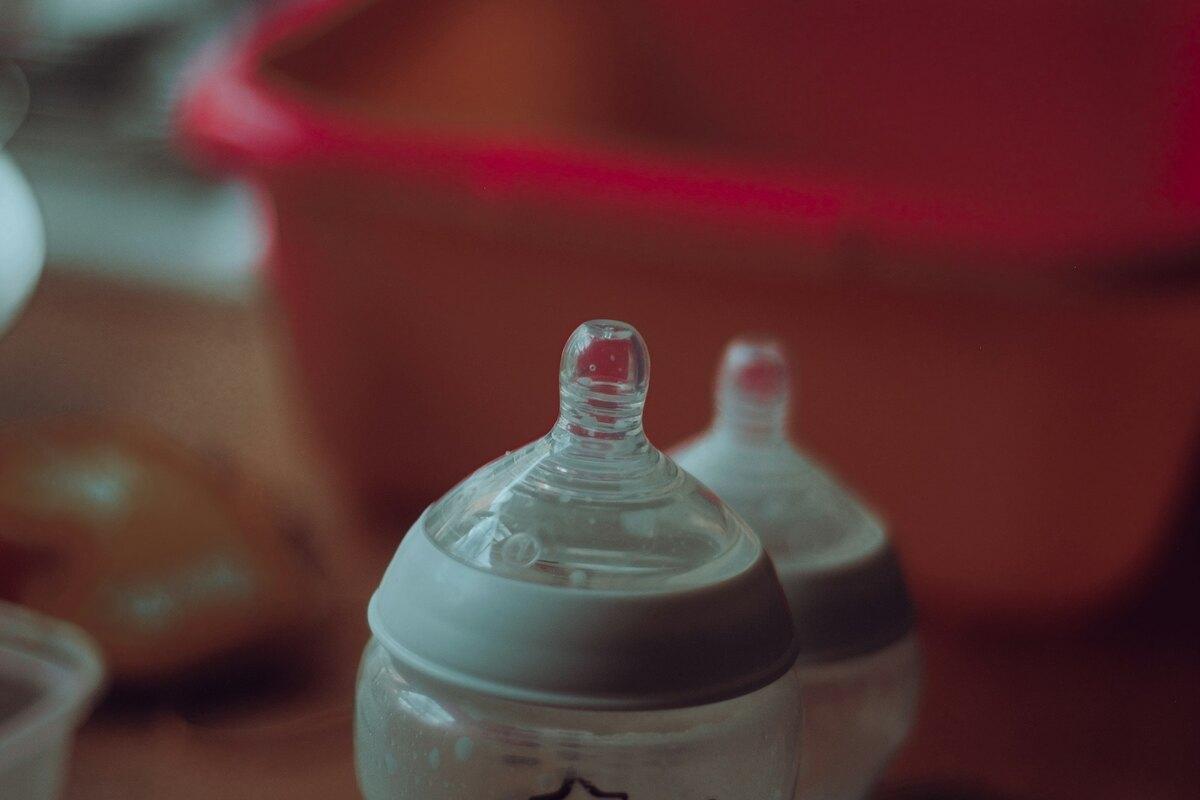
Feeding & Soothing
Bottles, pacifiers, teethers, sippy cups and straw cups — materials and what to replace when.
6 guides · 23 products
Free change first: Ask what it is made of, not what it is free from.
- ShoppingStainless Steel Sippy Cups: What the Lid and Spout Are Made Of
- ShoppingThe 7 best straw and open cups for your baby's transition off the bottle
- ShoppingOrganic infant formula cheat sheet
- ShoppingCheat Sheet: Less-plastic sippy cups, bottles and water bottles
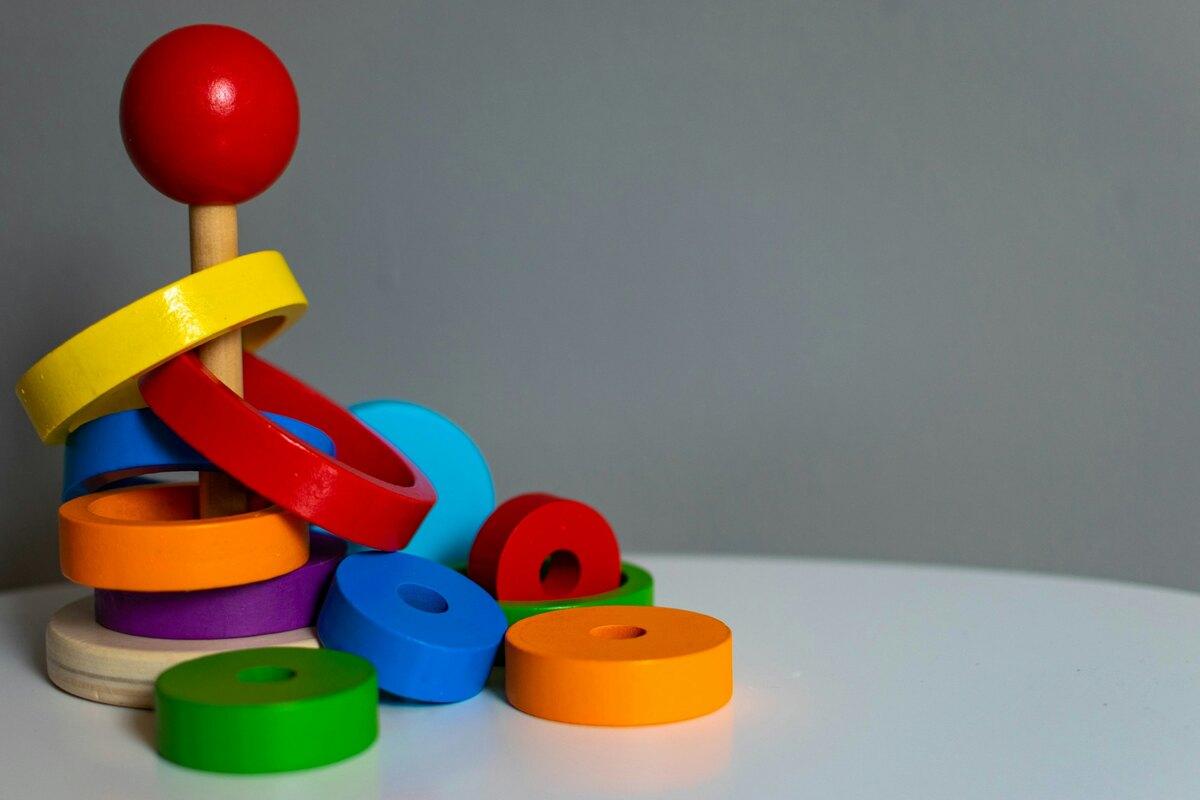
Toys & Art Supplies
Play dough, craft supplies, plastics and paints — what is tested and what is only marketed.
7 guides · 16 products
Free change first: If the packaging is silent on a soft part, ask the maker. They usually answer.
- ExplainerMold and Bacteria Inside Squeeze Bath Toys: What the Research Actually Found
- ExplainerWhat is TPR, and is it safe?
- ShoppingThe SafeMama non-toxic play dough showdown
- ExplainerWhat's the deal with play sand? Is it safe?
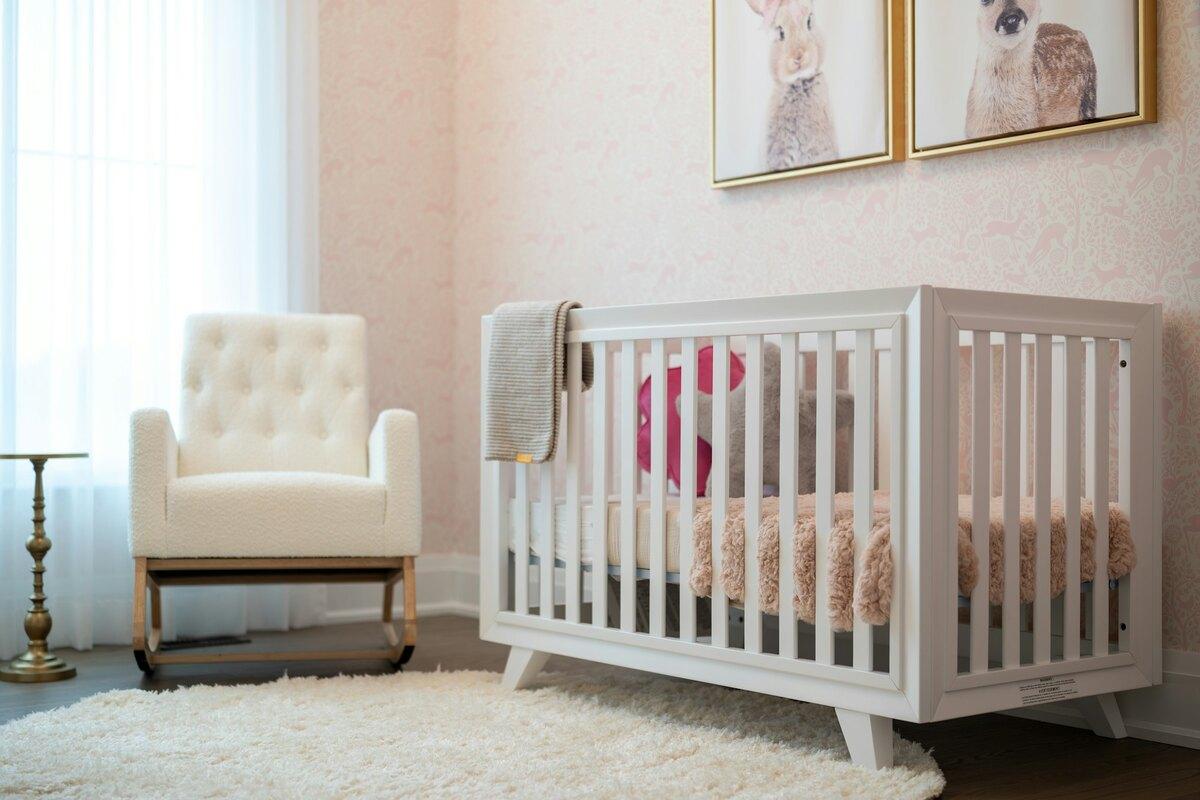
Nursery & Baby Tech
Monitors, smart nursery devices, and which tech genuinely helps versus raises anxiety.
2 guides · 8 products
Free change first: Unbox early and ventilate — time does more here than any purchase.
- ShoppingSolid wood cribs: our picks, and what to check before you buy
- Explainer5 Places a Non-Toxic Nursery Actually Matters
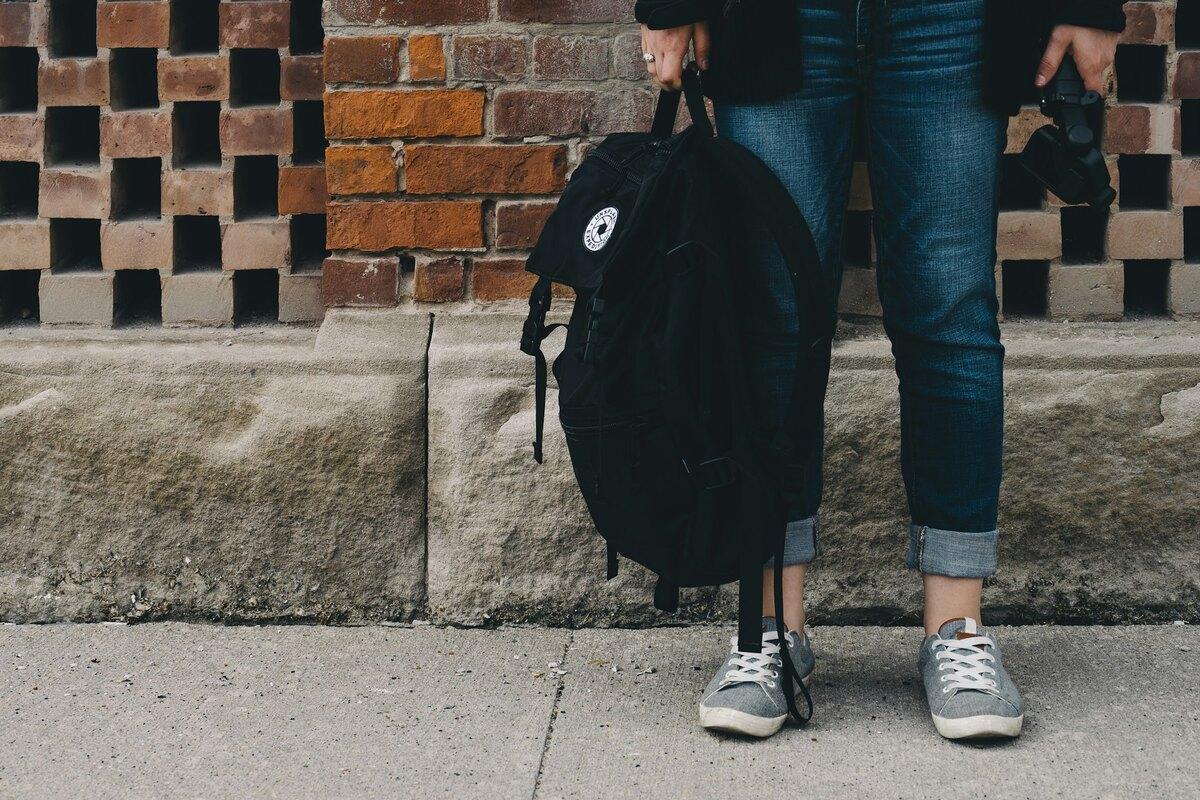
Gear & Everyday Items
Backpacks, lunch gear, shoes and the everyday items kids have the most contact with.
8 guides · 18 products
Free change first: Ask a brand what it excludes — "meets all standards" is only the legal floor.
- ExplainerAre Crocs safe for kids?
- ExplainerCheat Sheet: Safer diapering
- ShoppingCheat Sheet: Safer Baby & Kiddie Pools
- ShoppingApril showers bring PVC-free rain gear
Know the risks
Room by room
The same products, sorted by where they actually sit in your home — what tends to be a problem in each room, and the swap worth making first.
Print and go
Cheat sheets for this department
Worth reading
Related
Where the rules are real
Several categories here are genuinely regulated, and the standards are specific enough to shop by. That is unusual and it is useful — a certification that means something is worth far more than a label that sounds reassuring.
Each guide below separates the two: the claims backed by a standard someone can be held to, and the ones that are simply words a brand chose to print.
The nursery is a room before it is a category
Much of what matters in a nursery is not a nursery product. It is the mattress, the paint, the furniture that arrived last week, and how long the room aired out before the crib went in.
The home hazard map covers the nursery that way — by what is in the room rather than by what aisle it came from — and it is the better starting point if you are setting one up from scratch.
Age changes the answer
A lot of guidance here depends on how old the child is, because the exposure that matters for a crawling infant is not the one that matters for a nine-year-old. Where age changes our answer, the guides say so rather than giving one recommendation and hoping it covers everyone.
Every source we cite is checked against our criteria first — see how we check our sources.