
Gas Water Heater & Furnace: Carbon Monoxide
Spot it
A furnace or gas or oil water heater nobody has had serviced in over a year; a rusty, loose or disconnected vent pipe; a heater or furnace closet with stuff piled against it; no CO alarm outside the bedrooms.
Fix it
CPSC urges a yearly professional inspection of fuel-burning heating systems: furnaces, boilers, water heaters, fireplaces, chimneys, flues and vents. CDC lists furnaces and water heaters among home CO sources, says a blocked chimney can let CO build up indoors, and advises annual servicing by a qualified technician. A blocked or damaged vent can send exhaust back into the house instead of outdoors (our plain-language explanation of back-drafting; CDC's page says a blocked chimney can let CO build up inside). When you book the yearly inspection, ask the technician to check the venting too. Between inspections, the CO alarm is what warns you. If you have a gas dryer, AAP says to vent it outside the home. Keep the space around the heater and furnace clear and follow the manufacturer's clearance instructions (our suggestion; not on the cited pages), and keep gasoline, solvents and paint away from them (see the garage fuel page). CPSC advises CO alarms on every level of the home and outside sleeping areas. CDC: CO symptoms are often described as flu-like (headache, dizziness, nausea), and people who are asleep can die before they have symptoms. The separate CO page for cars, generators and the attached garage is linked below.
Check your address to see what the public records say about this for your home.
Safer swaps
What actually fixes this — the category to look for, not a brand we were paid to name.
Book a yearly professional inspection of your furnace, gas or oil water heater and vents, and ask the technician to check the ventingService
CPSC and CDC both advise a yearly inspection by a qualified technician
CO alarms on every level and outside sleeping areas
CPSC advice; the alarm picks (and the home-wide rule) are on the CO alarm page
Keep the space around the heater and furnace clear; store fuel and solvents elsewhereHabit
Free; storage clearance is our suggestion, following the manufacturer's manual
Our picks for this
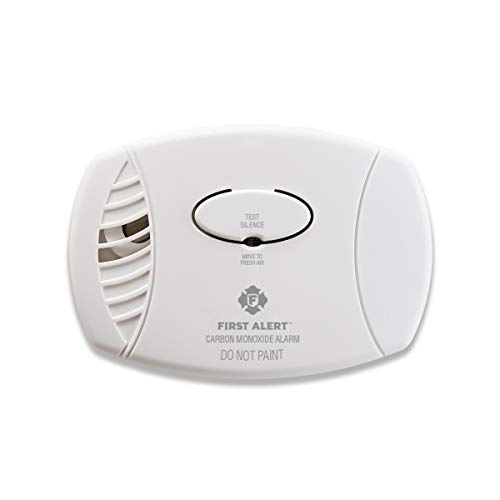
Manufacturer statement checked · source
$21.99View on Amazon
Read next
Sources cited
Sources
- CPSC: more than 200 people in the US die each year from unintentional, non-fire carbon monoxide poisoning linked to consumer products; heating equipment is among the top sources — U.S. Consumer Product Safety Commission (incl. SaferProducts.gov), 2026 (how we check this source)
Every source we cite is checked against our criteria first — see how we check our sources.
Related checks
- Carbon Monoxide: Cars, Generators & the Attached Garage — Cars, generators and the attached garage are the other big home CO sources, covered on the garage page.
- Gasoline & Fuel Storage — Fuel stored beside a water heater or furnace pilot is covered on the garage fuel page.