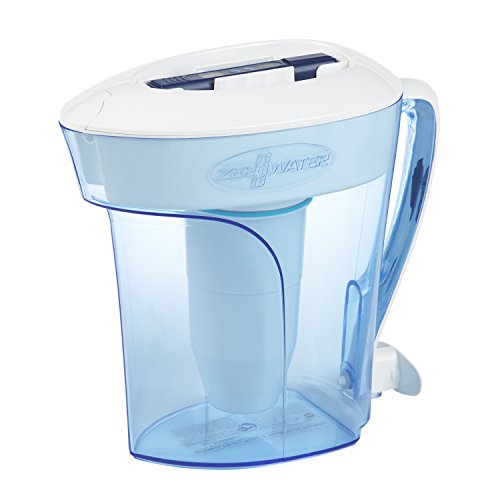
Do these in order
1. Find out what is actually in your water. Your utility publishes an annual water quality
report and it is free. That covers the water leaving the plant and traveling the mains — it cannot
tell you what your own service line and household plumbing add, which for lead is precisely where
the problem usually is. A home test closes that gap.
How to test your tap water walks through both.
2. Then choose a filter certified for what you found. Not before. This is the step order that
saves money, because filters are certified against specific standards and most of the popular ones
are not certified for the thing buyers assume.
The certification point, up front
This is the single most useful thing on this page, and almost every buying guide gets it wrong.
- NSF/ANSI 42 — aesthetic effects. Chlorine taste, odor, particulates. This is not a health
claim and it is not a lead claim. It is also the certification most commonly printed on filter
packaging.
- NSF/ANSI 53 — health effects. This is the standard that covers lead, VOCs, cysts and
similar. If lead is your concern, this is the number you are looking for.
- NSF/ANSI 58 — reverse osmosis systems.
- NSF/ANSI 372 — the device's own materials are lead-free. Useful, and not a statement about
what the filter removes from your water.
A filter can be genuinely well made, honestly marketed, certified to NSF/ANSI 42, and do nothing
measurable about lead. That is not a scandal — it is doing exactly what it says. The mistake is on
the buying side, and it is extremely common.
Certifications are listed publicly by the certifying bodies, so a claim on a box can be checked
against the register rather than taken on faith.
Where the regulatory ground is moving
Water is the vertical with the most live regulatory activity right now — lead service line
replacement requirements and drinking-water limits for PFAS are both in motion, and both change what
utilities have to tell you.
We will keep this section current as those obligations land, because "what your utility owes you"
is the part most likely to change under you.