
Mineral vs chemical sunscreen for kids: lotion, stick and spray compared
Mineral or chemical, lotion, stick or spray: what each type is good at, where it falls short, and which pick fits which kid. Plus what FDA has actually said, as of fall 2026.
Mineral sunscreens sit on top of the skin and start working immediately; chemical ones absorb into the top layer and convert UV to heat. Both are FDA-regulated for safety and effectiveness — this is not a safe-versus-dangerous choice. What differs is their regulatory position: zinc oxide and titanium dioxide were proposed safe and effective, the chemical filters were not classified for want of data.
The short version
Mineral sunscreens use zinc oxide or titanium dioxide to block UV at the skin's surface. Chemical sunscreens absorb UV using filters like avobenzone. Both are FDA-regulated; many families prefer mineral for young or sensitive skin and to avoid specific chemical filters.
At a glance
- SafeMama view
- Mineral sunscreens use zinc oxide or titanium dioxide to block UV at the skin's surface. Chemical sunscreens absorb UV using filters like avobenzone. Both are FDA-regulated; many families prefer mineral for young or sensitive skin and to avoid specific chemical filters.
- Easy swap
- Zinc oxide mineral sunscreen
If you are choosing for a young child
- Oxybenzone — A chemical filter many parents choose to avoid; also flagged for reef impact.
- Added fragrance — A frequent cause of irritation on children's skin.
- Aerosol sprays on the face — Hard to apply evenly and easy to inhale.
Five kinds of sunscreen, side by side
Each type fits a different job. The best sunscreen is the one your child will let you put on and that you actually reapply. Tap a type to see the products we have listed for it.
- Type 1Mineral lotion or creamZinc oxide (sometimes with titanium dioxide) sitting on top of the skin.5 picks · $13–$19
- Type 2Mineral stickThe same zinc oxide actives, in a solid balm you rub on.1 pick · $9
- Type 3Spray (aerosol or pump)A mineral or chemical filter in a sprayable base.1 pick · $11
- Type 4Face and tinted formulasMineral filters made to wear under makeup or without a heavy feel.2 picks · $14–$17
- Type 5Chemical and combination filtersOrganic filters such as avobenzone, octocrylene or octinoxate that absorb UV in the skin, sometimes combined with zinc.1 pick · $46
| Type | Good at | Watch out for | Best for |
|---|---|---|---|
| Mineral lotion or cream | The default for young or sensitive skin, and it works as soon as it is on. AAP suggests zinc oxide or titanium dioxide for sensitive areas like the nose, cheeks and ears. | Can leave a white cast, more visible on deeper skin tones, and thicker formulas take more rubbing in. | Everyday body and face for kids, and for babies over six months. |
| Mineral stick | Mess-free, goes in a pocket, and it is easy to target the nose, cheeks, ears and tops of the feet. | Easy to under-apply across a large area, and it is hard to tell how much you used. Treat it as the touch-up tool. | Touch-ups, faces, and a wriggly toddler. |
| Spray (aerosol or pump) | Fast on a moving child, and easier on hairy or sandy skin. | FDA says never apply spray sunscreen directly to the face. Some flammable sprays have caused burns near open flames, and FDA has told people not to use recalled sprays after benzene was found in some. Hard to judge how much went on. | A second option when a lotion is a fight, used outdoors and away from flames. |
| Face and tinted formulas | Lighter and easier to wear all day. Tinted ones hide the white cast. | Not made for babies. Face-specific bottles are small and cost more per ounce. | Teens and adults, and kids with a lot of daily facial exposure. |
| Chemical and combination filters | Rubs in clear and feels light, which is why many adult face sunscreens use them. | FDA asked for more safety data on several of these filters; it did not find them harmful. AAP says to avoid oxybenzone if you can, citing concerns about mild hormonal properties. | A teen or adult who will only wear a clear lotion. Any sunscreen beats none. |
Type 1Mineral lotion or creamOur picks · $13–$19
Start here if you only buy one. Check the Drug Facts panel for zinc oxide as the active and no added fragrance.

Fragrance-free kids' zinc lotion
Verified panel: zinc oxide 10% and titanium dioxide 8% as the actives. The brand says it is made without oxybenzone or octinoxate. An everyday body lotion; zinc and titanium formulas usually leave some white finish.

Sheer zinc lotion for kids
Verified panel: zinc oxide 21.6% as the only active. A water-based lotion rather than an oil-and-wax balm.

Baby zinc lotion with plant oils
Verified panel: zinc oxide 25% as the only active, 40-minute water resistance. The brand's front of pack says no oxybenzone, octinoxate, artificial preservatives or fragrance. The oil-and-beeswax base makes it a thicker cream than a water-based lotion. Remember the AAP and FDA guidance for babies under six months below.
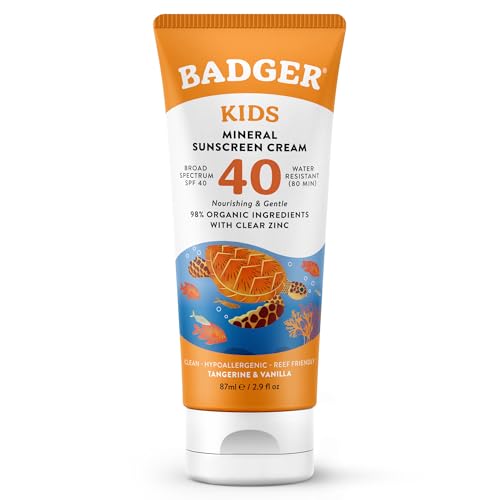
Organic-oil zinc cream
Verified panel: uncoated zinc oxide 22.5% as the only active in a short oil-and-wax base. The base includes citrus oils, so skip it for a child who reacts to essential oils.

Ingredient panel checked · source
80-minute water-resistant zinc lotion
Verified panel: zinc oxide 20% as the only active, labeled water resistant for 80 minutes. The brand states it is fragrance-free and says the mineral filters are non-nano. Water-resistant products still need reapplying; FDA says no sunscreen is waterproof.
Type 2Mineral stickOur picks · $9
Use a lotion for the body and a stick for the spots you reapply. FDA says an average child or adult needs about a shot glass of sunscreen for the whole body, and a stick makes it hard to tell how much you used.

Kids' zinc stick
Verified panel: zinc oxide 20% as the only active, in a shea-butter and plant-oil base. The brand states it is made without oxybenzone or octinoxate. Good for cheeks, nose and ears; use a lotion for the large areas.
Type 3Spray (aerosol or pump)Our picks · $11
If you use a spray, check the label for a flammability warning, spray onto your hands for the face, and rub it in. Our note on a 2021 spray recall is linked below.

Zinc spray (aerosol)
Verified panel: zinc oxide 24.08%, with isobutane as a propellant. Four lots of this product, made January to June 2021, were in Coppertone's September 2021 voluntary benzene recall. Coppertone said the levels found would not be expected to cause adverse health effects, and FDA closed the recall in 2023. Our note on it is linked below. Spray it onto your hands for the face, never at the face, and keep it away from open flames.
Type 4Face and tinted formulasOur picks · $14–$17
A face formula is about comfort. Use it when a child will wear it and the body bottle gets refused.
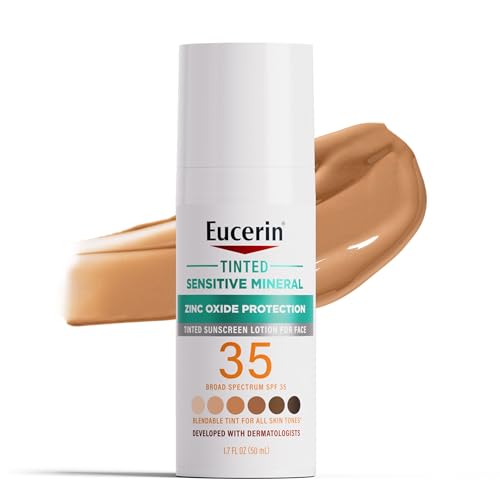
Tinted zinc face lotion
Verified panel: zinc oxide 24% as the only active, with iron oxides in the inactives providing the tint. The brand says it is fragrance-free and hypoallergenic. The tint helps hide the white cast on medium and deeper skin tones.
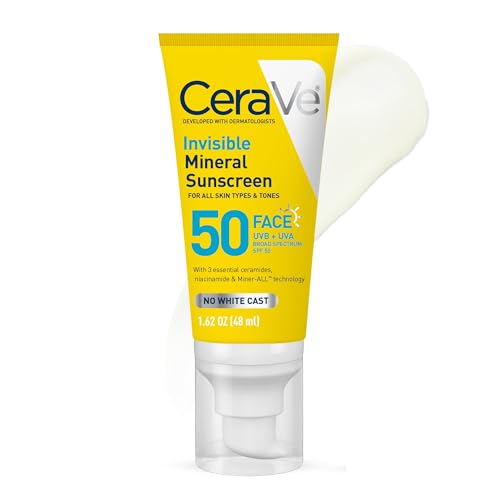
Zinc and titanium face lotion
Verified panel: zinc oxide about 15.3% and titanium dioxide about 2.7% as actives, in a ceramide and niacinamide base. Made for adult faces; it suits a teen who wants it to disappear under the day.
Type 5Chemical and combination filtersOur picks · $46
Not unsafe, and not our first pick for young children. If the chemical bottle is what you have, use it.

Combination (zinc + octinoxate) face lotion
Verified panel: octinoxate 7.5% and zinc oxide 9.0% as actives, so this is a combination formula, not a mineral-only one. We list it as an example of the combination type, not as a pick for a young child. The brand says it is fragrance-free.
Short answer: buy a fragrance-free zinc oxide lotion, add a stick for faces and a hat for the rest. The tradeoffs for each type are in the table above. The rest of this page covers the mineral-versus-chemical question and what FDA has actually said.
Jump to The difference · What FDA has said · Babies under six months · Sprays · How to choose
The actual difference
Mineral sunscreens sit on top of the skin. Their active ingredient — usually zinc oxide, sometimes titanium dioxide — reflects and scatters UV light. They start working as soon as you apply them.
Chemical sunscreens absorb into the top layer of skin and convert UV into a small amount of heat. Their filters have names like avobenzone, octinoxate, and oxybenzone. They tend to feel lighter and rub in clear, which is why many adult facial sunscreens use them.
Both types sold in the United States are regulated by the FDA for safety and effectiveness. This is not a "safe versus dangerous" choice.
What the FDA has actually said
This is the part worth knowing, because it is more specific than either camp usually admits — and it does mean the two categories sit in genuinely different regulatory positions.
In its 2019 proposed rule, the FDA proposed that zinc oxide and titanium dioxide be recognized as safe and effective — the strongest classification available. Two older ingredients, PABA and trolamine salicylate, were the other end of that proposal: FDA's consumer page says it issued a final order on September 10, 2026 removing them, because the risks outweigh the benefits, and that it is not aware of any currently marketed sunscreen containing them. In June 2026 FDA also added a new active, bemotrizinol, the first new one since the late 1990s; it is a chemical-type filter that FDA considers generally recognized as safe and effective for adults and children 6 months and older, with low absorption through the skin. That is worth knowing: "chemical" is not a single category, and the FDA's position on it is moving.
For the remaining filters — the chemical ones, including oxybenzone, avobenzone, octinoxate and homosalate — the agency said it did not have enough data to classify them, and asked manufacturers for more.
Read that carefully, because it gets misreported in both directions. "Insufficient data" is not a finding of harm. It is a statement that these ingredients were grandfathered in decades ago under standards that would not be accepted for a new drug today, and that the full modern safety record FDA asked for has not yet been completed. Equally, it is not nothing: the mineral filters cleared the bar and the chemical ones have not yet been shown to meet it.
There is a related point people often blur into this. FDA says there is evidence that at least some sunscreen active ingredients are absorbed through the skin and enter the body, and it has asked industry for data to confirm their safety. Absorption alone is not a finding of harm, and FDA advises using sunscreen along with other sun protection either way, because the risk from sunburn and UV exposure is well established, while the risk from these filters is, at this stage, an open question rather than a demonstrated one.
Babies under six months
This is where the authorities differ slightly, so here are both. FDA says sunscreen is not recommended for infants under six months, to keep them out of the sun and in protective clothing, and to ask a doctor before applying any. The AAP says to keep babies this age out of direct sun, in shade and clothing, and that if shade and clothing are not available you can put sunscreen on small areas such as the face. Both put shade and clothing first. For babies over six months, the AAP says to apply sunscreen to all areas, being careful around the eyes. A sunburn in a baby under one year is a call to the doctor right away.
Why many parents choose mineral for kids
Two practical reasons. First, mineral formulas are generally gentle, which matters for the thin, reactive skin of young children. Second, they let you avoid specific chemical filters — most commonly oxybenzone — that some families prefer to skip, both for skin sensitivity and for reef impact.
The tradeoff is cosmetic: mineral sunscreens can leave a white cast, more noticeable on darker skin tones. Newer zinc formulas have gotten much better at rubbing in.
How to choose without overthinking it
Protecting your child from sunburn is the health priority; the mineral-versus-chemical detail is secondary. If you want a simple rule: reach for a fragrance-free zinc oxide sunscreen, broad spectrum, SPF 15 or higher (FDA's floor; many families pick 30 to 50), and apply it generously. For babies under six months, shade and clothing come first — talk with your pediatrician about when to add sunscreen.
And keep the ordering straight, because it is easy to lose in the noise: a child in chemical sunscreen is far better protected than a child in no sunscreen. If the mineral bottle is the one that gets refused, or the one you have run out of, use what you have. Sunburn in childhood is a known risk with well-established consequences. The open questions about chemical filters are, so far, open questions.
If oxybenzone is the one you want to skip, the AAP suggests avoiding it if possible, citing concerns about mild hormonal properties, and says any sunscreen is better than none. Our oxybenzone explainer has the evidence.
Mineral is a reasonable default and a defensible preference. It is not an emergency, and it is not worth a fight at the door on a hot morning.
Where this leaves you
If you are buying new, buy mineral — the regulatory position is cleaner and the formulas have improved enormously. If you already own chemical sunscreen, use it rather than throwing it out. If your child will only tolerate one particular product, that product is the right one.
A word on sprays
FDA's consumer page makes three points about sprays. Never apply a spray sunscreen directly to the face. Some sprays are flammable and there have been burns from people wearing them near open flames, so check the label for a flammability warning and choose another product if you will be near a grill or fire. And do not use a sprayed product that has been recalled; some spray sunscreens were recalled after benzene was found. Our explainer on aerosol benzene risk covers that history. The Coppertone spray we list is the same Pure & Simple Kids product whose specific lots Coppertone recalled in September 2021; that recall ended in 2023. See our note on that recall. If you would rather skip aerosols entirely, the lotions and stick above do the same job.
What to do with all this
For picks, the cheat sheet is the fastest route, and the best natural sunscreen covers the one-bottle-for-everyone case. Natural mineral sunscreen, explained goes deeper on what the word "natural" is actually doing on these labels.
Safer alternatives
- Zinc oxide mineral sunscreen — Works on contact, gentle on most sensitive skin.
- Shade, hats, and UPF clothing — The first line of defense, especially for babies.
Common questions
The cheat sheet for this
Part of the Sunscreen & Sun Safety hub— the rest of our coverage in this category.
Every sunscreenproduct we've reviewed— what we'd buy, what we'd skip, and where each one stands.