Heat is the variable
Most of what people worry about in this category is governed by one thing: temperature.
Substances migrate out of containers faster when hot, and faster again with acidic or fatty foods.
Which means the highest-value habits are not purchases at all:
- Do not microwave in plastic. Move food to glass or ceramic first, even where the container says
microwave-safe — that phrase means the container will not warp, not that nothing moves into your
food.
- Do not put hot food into plastic and seal it. Let it cool first.
- Retire scratched, cloudy or warped containers. Degraded surfaces release more, and they are
harder to clean.
Get those three right and the material choice matters considerably less.
Materials, ranked by how few questions they raise
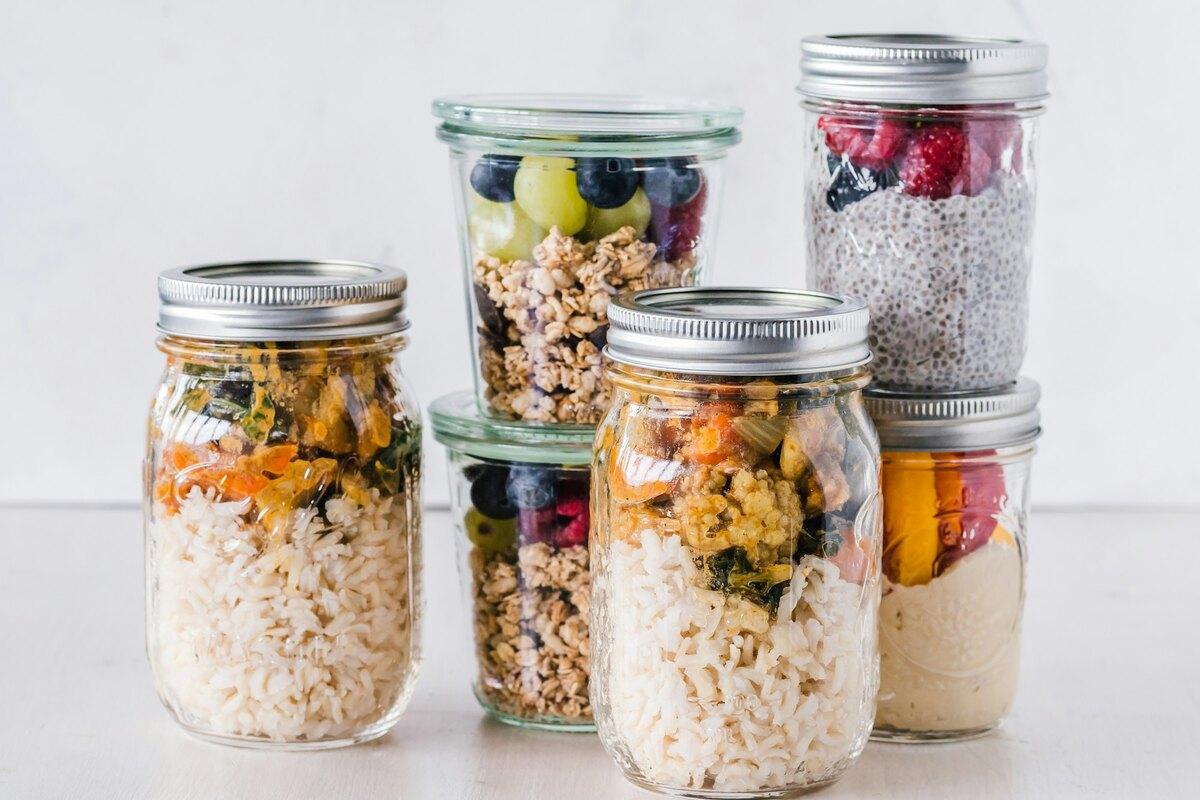
Stainless steel and plain uncoated glass are the simplest: no lining, no glaze, no
plasticizer question, and both last for years. The trade-offs are weight and, for glass, breakage.
Silicone is stable across a wide temperature range and is the practical choice for anything
flexible.
Plastics are fine cold. The question is only ever what happens when they are heated.
Glazed ceramic is where the lead question actually lives — see below.
Lead-free vs lead-safe
Worth understanding, because most round-ups blur it.
Lead-safe generally means a product meets the CPSIA limit — a legal floor every children's
product sold in the US already has to clear. That is compliance, not a distinction.
Lead-free is a brand saying it tested and found none. Stronger, more specific, and not made
casually.
Our lead-free dishes guide goes further on this, and its central point is worth
repeating here: "lead-free" is not a regulated term on dinnerware. So we build from materials
where the absence is structural rather than from claims on a listing. Risk concentrates in vintage
and antique pieces, brightly decorated ceramics, handmade and imported traditional pottery, and
anything with a chipped or crazed glaze.
Lunch gear specifically
A lunch box is used every school day for years and holds food for hours at room temperature. Our
lunch gear cheat sheet covers boxes, bags and full systems — plus
the detail that decides which one you keep: dry it fully open and never put it away damp. A bag
that starts to smell is the most common reason a perfectly good one gets thrown out early.