Sourcing safer products for families since 2007
SafeMama
Check home
Category hub · 23 products reviewedUpdated October 28, 2026Agent researchedEditor reviewed

Feeding gear

Bottles, cups, pacifiers and teethers — the things a baby puts in their mouth for hours a day. The good news is that most of the materials question here answers itself once you know what each material is for.

Reviewed by SafeMama editorial · September 9, 2026

Our picks

Our top picks

The winners from our cheat sheets, each chosen for one job.

Ask what it is made of, not what it is free from. Almost everything a baby feeds from is meant to be soft or unbreakable, and the materials that do those jobs — silicone, natural rubber, TPR, glass, stainless steel — never needed BPA in the first place. A material answer is stable; a marketing claim is only as good as the production run behind it.

23products reviewed

The one idea that covers most of this

BPA is used to make polycarbonate hard, rigid and clear. Almost everything a baby feeds from is meant to be soft or unbreakable — so the materials that do those jobs never needed BPA in the first place.

Silicone, natural rubber and TPR are soft by nature. Glass and stainless steel are rigid without any help. In all five cases "BPA-free" is a consequence of what the material is, not a reformulation somebody had to be persuaded into.

That is why the useful question at the shelf is usually "what is this made of?" rather than "what is this free from." A material answer is stable. A marketing claim is only as good as the production run behind it.

What the rules actually cover

Worth being precise, because it is easy to assume more coverage than exists.

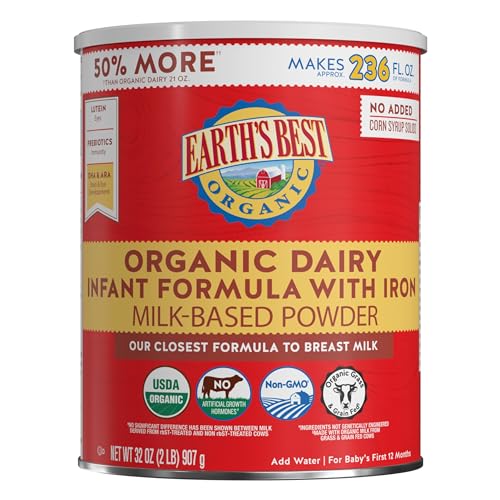
BPA has been removed from baby bottles, sippy cups and infant formula packaging. FDA amended its food additive regulations in 2012 and 2013 to stop providing for those uses, on the basis that industry had abandoned them — the agency is explicit that an amendment on abandonment "is not based on safety." Either way, the result on the shelf is real and settled.

It did not cover pacifiers and teethers, and it says nothing about general groceries. NIEHS puts the main route of BPA exposure for most people in the diet — "BPA in food and beverages accounts for the majority of daily human exposure" — and names the epoxy resin lining of canned food among the places it leaches from. Our BPA-free canned food cheat sheet covers that side.

Where to start

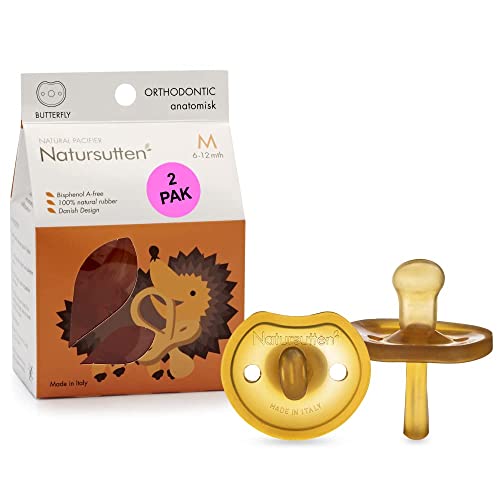
If you are buying pacifiers or teethers, start with the cheat sheet — one-piece natural rubber is the simplest answer available, and silicone is the right call where there is a latex allergy.

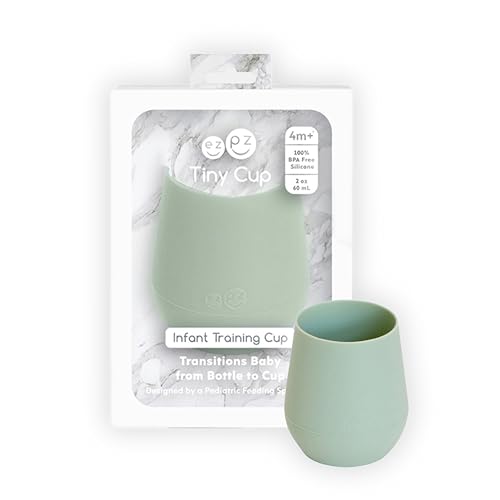
If you are moving off the bottle, the cup guide covers why straw and open cups are generally preferred to a hard-spout sippy, and what actually survives a small hand.

And if you are standing in a shop wondering what the soft rubbery part of something is, our TPR explainer answers the question most packaging will not.

The part that is not about materials

Cleaning. Valves, gaskets and straws are where residue collects, and a cup that cannot be taken apart and dried properly will eventually need replacing rather than washing. Buy a straw brush at the same time as the cup — it is the single accessory that decides how long the cup lasts.

How we choose

We prefer materials that sidestep the question rather than answer it: glass, stainless steel, one-piece natural rubber and silicone do not need BPA or phthalate plasticizers to work, so their being free of both is structural rather than a reformulation somebody had to be talked into. Where a manufacturer voluntarily declares materials, we treat that as meaningful.

  • Glass, stainless steel, silicone or one-piece natural rubber where possible
  • Free of BPA, PVC and phthalates
  • Manufacturer declares materials rather than implying compliance
  • Few parts, genuinely cleanable
  • No active recall on the pick

Save & share

Safer feeding gear cheat sheet

Skip these

  • Assuming the BPA rules cover pacifiers, teethers or canned food — they do not
  • "BPA-free" as the whole answer on a hard, clear plastic item
  • Multi-piece designs where a seam can trap milk

Look for these

  • One-piece natural rubber, for pacifiers and teethers
  • Silicone, where there is a latex allergy
  • Glass or stainless steel, for anything that needs to be rigid
  • A stated material rather than a "free from" claim

The BPA rules cover baby bottles, sippy cups and infant formula packaging. They did not cover pacifiers and teethers, and they say nothing about groceries.

The science, briefly

Why the material answers the question

BPA is used to make polycarbonate hard, rigid and clear. Almost everything a baby feeds from is meant to be soft or unbreakable, so the materials that do those jobs never needed BPA. Silicone, natural rubber and TPR are soft by nature; glass and stainless steel are rigid without any help. In all five cases "BPA-free" is a consequence of what the material is, not a reformulation somebody had to be persuaded into.

That is why the useful question at the shelf is usually "what is this made of?" rather than "what is this free from". A material answer is stable. A marketing claim is only as good as the production run behind it.

Being precise about coverage matters, because it is easy to assume more than exists. FDA amended its food additive regulations in 2012 and 2013 so that BPA-based materials are no longer provided for in baby bottles, sippy cups and infant formula packaging — on the basis that those uses had been abandoned, which FDA is explicit is not a safety determination. It did not cover pacifiers and teethers, and it says nothing about general groceries. NIEHS puts the main route of BPA exposure for most people in the diet, and names the epoxy resin lining of canned food among the places it leaches from.

Common mistakes

What parents get wrong

01

"BPA-free means the regulation handled it"

The rules covered bottles, sippy cups and formula packaging. Pacifiers and teethers were not included, and neither was anything in the grocery aisle.

02

"BPA-free is a meaningful selling point on a silicone teether"

Silicone was never going to contain it. On soft materials the label is describing the material's nature, not a choice the brand made.

03

"The bottles were the whole problem"

NIEHS puts the main route of BPA exposure for most people in the diet, and names canned-food linings among the sources — while BPA-based materials are no longer provided for in bottles, sippy cups or formula packaging at all. Which is why the canned-food side has its own cheat sheet.

Start here

Shop by need

What we'd buy

Featured products

Every product we've reviewed →

Go deeper

Best lists in this category

Feeding gear FAQ

What the research says

Sources

  1. Bisphenol A (BPA) — how people are exposed — National Institute of Environmental Health Sciences
  2. Bisphenol A (BPA): use in food contact application — U.S. Food and Drug Administration (how we check this source)