
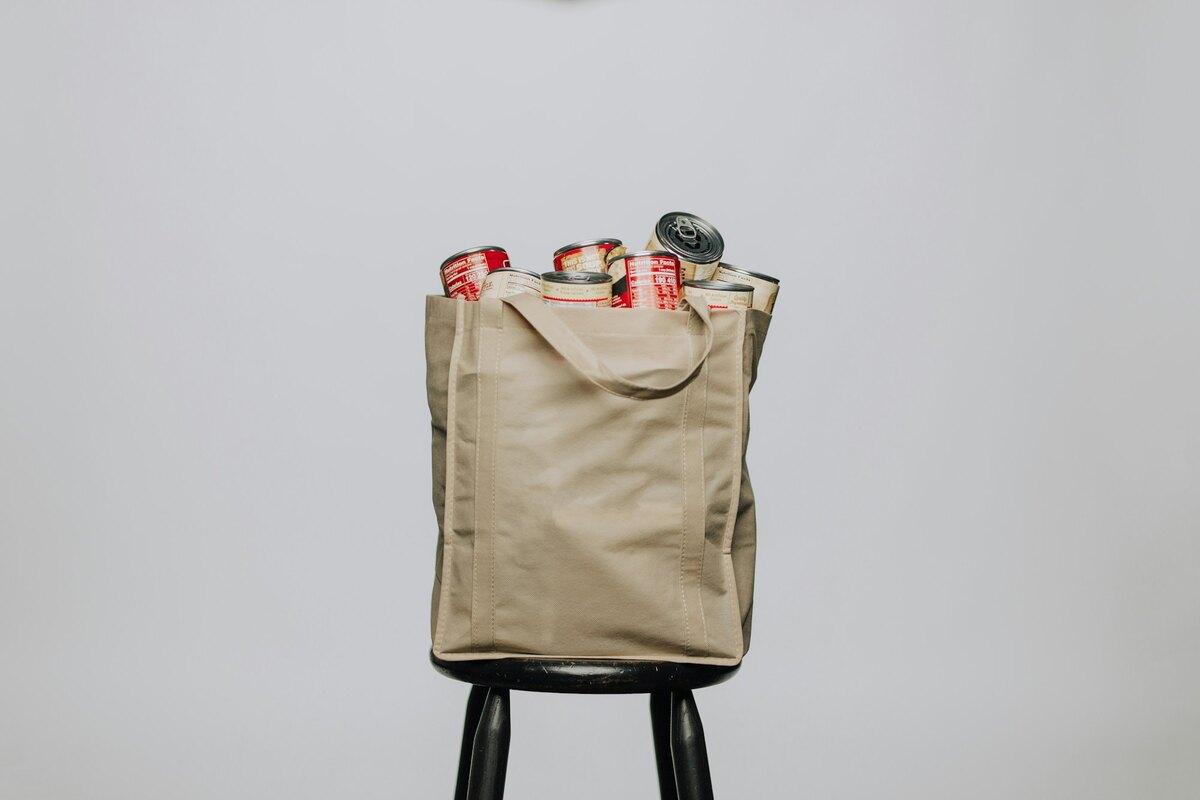

Best overall: beans
Eden Organic Pinto Beans
Eden Organic beans — the BPA-free can change this list was built on, and it covers beans specifically.
Ingredient panel checked · source
From Cheat Sheet: BPA-free canned food$3.99
View on AmazonWhen BPA was in the news, the conversation was almost entirely about bottles and sippy cups. Meanwhile the larger dietary route was sitting in the pantry — and unlike baby products, general groceries were never covered by the rules that followed.
Our picks
The winners from our cheat sheets, each chosen for one job.
Best overall: beans
Eden Organic beans — the BPA-free can change this list was built on, and it covers beans specifically.
Ingredient panel checked · source
From Cheat Sheet: BPA-free canned food
Best overall
4 oz glass jars with silicone lids WeeSprout describes as food-grade, the standard batch-freezing size for purees. WeeSprout states the materials are BPA-, PVC- and phthalate-free. Warm with the lid off; WeeSprout says not to microwave the lids.
Manufacturer statement checked · source
From Cheat Sheet: BPA-Free Baby Food Storage Containers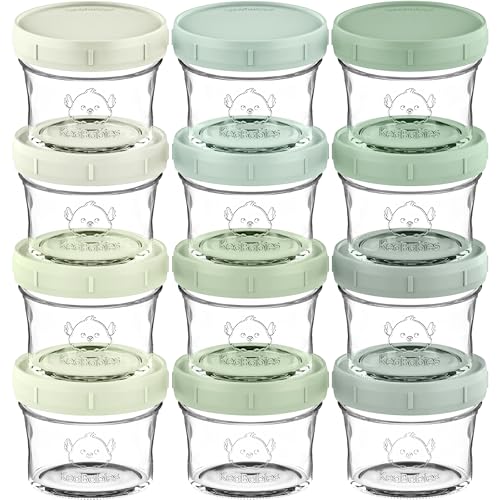
Leak-proof lid seal
4 oz glass, 12 to a set, sold as leak-proof, with a silicone O-ring that comes out of each lid for washing. KeaBabies states the set is free of BPA, lead, phthalates and PVC, but does not say what the lid itself is made of. Warm with the lid off.
Manufacturer statement checked · source
From Cheat Sheet: BPA-Free Baby Food Storage Containers
Canned tomatoes
Jovial organic diced tomatoes in an 18.3 oz glass jar — the tomatoes touch glass, not a can lining. Jovial's page says "BPA-free lids" and does not name the lid material, so the lid is the one part of this package we cannot characterize. Our tomatoes page compares every brand.
Ingredient panel checked · source
From Cheat Sheet: BPA-free canned foodDiet is the main route of BPA exposure and canned food is a large part of it — yet the removal that happened covered baby bottles, sippy cups and formula packaging, never general groceries. "BPA-free" is a narrower claim than "no concerns". Fewer cans remains the most robust answer, and it is neither difficult nor expensive.
Diet has consistently been identified as the main route of BPA exposure, and canned foods are a large part of that — canned pasta and soups have tested highest, beverages lower.
At the height of the coverage, parents were queuing to return polycarbonate bottles while the canned formula and canned soup in the same kitchen went unexamined. That is not a criticism of anyone; it is what happens when a story attaches to one product category.
Since then BPA has been removed from baby bottles, sippy cups and infant formula packaging. General groceries were never part of that, which is exactly the gap this vertical covers.
Readers asked for a list of canned goods that contain BPA. That list is close to everything on the shelf — including the organic stuff — because BPA epoxy was the standard can lining, there to keep metal and food from touching.
So the cheat sheet lists the brands that moved instead. It is shorter and considerably more useful.
Choose glass over cans where the price difference is small. Jar lids can carry some coating residue, but the difference against a lined can is substantial.
Choose fresh or frozen. Vegetables are often flash-frozen shortly after harvest, so you usually trade up nutritionally as well.
Choose powdered formula if you are formula feeding.
Buy from the brands on the list for the cans you keep.
Companies moving away from BPA are largely using oleoresin, a plant-derived oil and resin mixture. It is not BPA. It is also newer and less studied than what it replaced, and there is a reasonable concern that some alternatives could turn out no better.
Which is the long way of saying: "BPA-free" is a narrower claim than "no concerns." Fewer cans remains the most robust answer, and it is neither difficult nor expensive.
If lead rather than BPA is what brought you here, our lead-free dishes guide covers the dishware side of the same instinct.
A brand earns a place when it has stated that its can linings are BPA-free, and we say plainly which are mid-transition and which have declined. Where a company moved only part of its range, we name which part — a brand-level claim is not a product-level one.
Save & share
A list of cans that contain BPA would be close to everything on the shelf, organic included, because BPA epoxy was the standard lining. So our cheat sheet lists the brands that moved instead — shorter, and considerably more useful.
The science, briefly
Diet has consistently been identified as the main route of BPA exposure, and canned foods are a large part of that — canned pasta and soups have tested highest, beverages lower. At the height of the coverage, parents were queuing to return polycarbonate bottles while the canned formula and canned soup in the same kitchen went unexamined. That is not a criticism of anyone; it is what happens when a story attaches to one product category.
BPA has since been removed from baby bottles, sippy cups and infant formula packaging. General groceries were never part of that, which is exactly the gap this vertical covers.
Companies moving away from BPA are largely using oleoresin, a plant-derived oil and resin mixture. It is not BPA. It is also newer and less studied than what it replaced, and there is a reasonable concern that some alternatives could turn out no better. Which is the long way of saying that "BPA-free" is a narrower claim than "no concerns".
Common mistakes
In bottles, sippy cups and formula packaging, yes. In the grocery aisle, no — that was never part of the same removal, and diet is the main exposure route.
BPA epoxy was the standard can lining regardless of what was inside. A list of cans containing it would be close to everything on the shelf, organic included.
The common replacement, oleoresin, is not BPA — but it is newer and less studied, and some alternatives may turn out no better. Fewer cans is the more robust answer.
Start here
What we'd buy

Ingredient panel checked · source

Ingredient panel checked · source

Ingredient panel checked · source
Go deeper
A flexible 9-day road map for safely introducing top allergens
— Malina Malkani, MS, RDN, CDN told BenBella Books (distributed by Simon & Schuster), ISBN 9781637745359 that ...
Safe and Simple Food Allergy Prevention: A Baby-Led Feeding Guide to Starting Solids and Introducing Top Allergens — BenBella Books (distributed by Simon & Schuster), ISBN 9781637745359 (2024-11-12)
the tactile investigation of food is part of development - it's necessary, productive and speeds up the learning curve.
— Jill Castle, MS, RDN told The Washington Post that ...
Let picky eaters play with their food, and don't force 'thank you' tastes — The Washington Post (2018-11-01)
When a child's appetite is ignored, he or she may lose the ability to regulate his or her own internal hunger and fullness cues
— Jill Castle, MS, RDN told CNN that ...
Of the four parental 'feeding styles,' only one is good for kids' health, experts say — CNN (2018-10-04)